



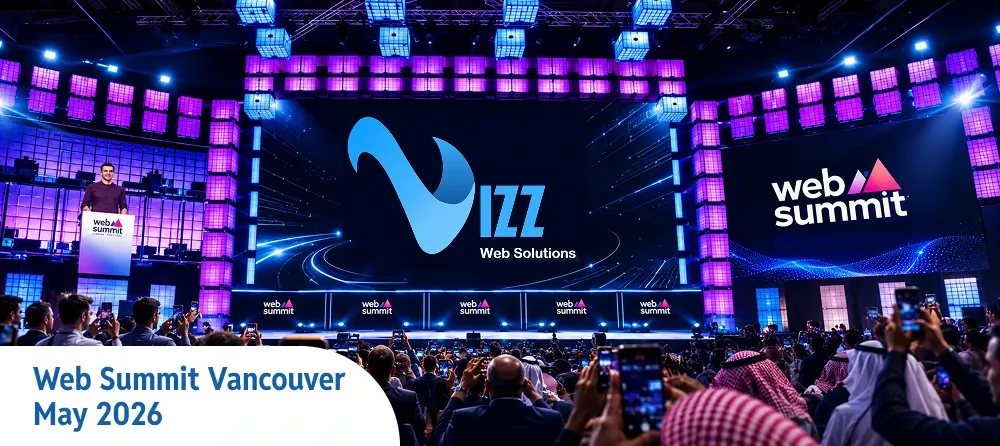
Attending major tech conferences is one of the fastest ways to understand where the industry is going. The Vancouver Web Summit and Vancouver Tech Week brought together founders, developers, and businesses working across modern technology and AI web development trends, AI-powered software development tools, and next-gen digital product building.
Looking at both events makes one thing clear, the tech world is changing fast. From how people connect to how software is built using AI-assisted web development workflows, everything is shifting. Below is a simple breakdown of the main takeaways.
Rebuilding the Tech Community & Smarter Scheduling
Fixing Old Disconnects
Earlier, when big tech events moved locations or changed formats, local communities felt split and less connected. Now that gap is closing. The ecosystem is becoming more active again, and people are more aware of each other’s work.
Stronger Connections From Repeat Meetings
Meeting the same people across multiple years made a real difference. It created stronger relationships, better trust, and deeper collaboration instead of surface-level networking.
Better Event Timing Strategy
Last year, Web Summit and Tech Week overlapped. That caused burnout because attendees were moving non-stop between events for two weeks.
This year, there was a planned gap between them. That small change helped people recover, plan better, and attend with more focus.
The Golden Era for Software Engineers and Builders
One clear message from the event: it has never been easier to build software. The rise of AI-assisted software development, AI code generation tools for web developers, and automated deployment pipelines is changing the role of engineers.
From Coding Everything Manually to Building Systems
Earlier, developers spent most of their time writing repetitive code. Now, the focus is shifting toward system design, logic, and problem-solving. A single engineer can now act more like a builder of full products.
Explosion Of Modern Dev Tools
New tools are covering almost every part of development:
- Faster code creation and testing using AI coding assistants for web development
- Automated QA and bug detection systems
- Built-in compliance and rule-checking tools
- Safer deployment and stronger security automation
This means building high-quality products is now faster, cheaper, and more accessible for skilled developers.
AI Startups: From Hype to Real Working Products
Last year: Heavy Hype, Weak Proof
Many AI startups made big claims, but a lot of them didn’t have strong real-world results.
This year: Actual Execution
The focus has clearly shifted. Now startups are building real tools that businesses can actually use. There’s more emphasis on working products instead of just ideas.
A noticeable improvement was also seen in the Women in Engineering (WIE) community, with stronger representation, leadership talks, and real visibility for women in tech.
Where Future Tech Events Need Improvement
Even strong events have gaps. These were the main issues.
Confusing Venue Layout
Splitting the event across multiple floors without clear navigation created confusion. People wasted time just figuring out where to go.
Poor Entrance Design
The entry point was too far from registration, forcing long walks and crowd congestion. Future setups need smoother access points.
Comfort Issues
Hard flooring made long walking hours uncomfortable. Better flooring or rest zones would improve the experience.
Limited Food Options
Food availability was not enough for a large crowd. More variety and vendors are needed.
Late Release Of the Event App
The networking app came too late, reducing its usefulness. A better approach would be launching it earlier so people can plan meetings in advance. Controlled messaging limits could prevent spam while still improving networking.
What This Means for the Tech Industry
The biggest underlying shift is that software development is no longer just a coding job. It is becoming a mix of system design, product thinking, and AI tool orchestration. Developers who only rely on manual coding will fall behind those who understand how to combine AI tools with architecture-level thinking.
At the same time, the speed of development is increasing sharply. MVPs that once took weeks can now be built in hours. This creates pressure to validate ideas faster, which will separate serious builders from experimental ones.
The Risk Behind AI-Driven Development
There is a hidden problem emerging: dependency.
As teams rely heavily on AI for coding, testing, and deployment, they risk losing deep system understanding. When AI tools fail or produce incorrect outputs, debugging becomes harder for engineers who don’t fully understand what is happening under the hood.
This is not a small issue. It will define which teams can scale sustainably and which ones struggle later.
Startups Are Entering a More Competitive Phase
The shift from hype to execution is healthy, but it also raises the bar.
AI startups are no longer judged by ideas. They are judged by:
- Real user adoption
- Integration into workflows
- Reliability in production systems
Startups that simply wrap existing APIs without solving a real problem are already losing attention. The market is consolidating around fewer but stronger platforms.
Events Are Becoming Strategic Infrastructure
Tech events are no longer just networking spaces. They are becoming long-term ecosystem builders.
Repeated interactions between the same people are creating stronger trust cycles. In tech, that trust often turns into hiring, partnerships, and funding.
So these events are quietly becoming part of how the industry builds long-term momentum, not just short-term exposure.
The Direction of Software Development
Across all these signals, the direction is clear:
- Faster development cycles
- Smaller but more capable teams
- AI-integrated workflows
- Shift from coding to system thinking
- Execution over ideas
Companies that adapt early will not just move faster; they will redefine what “normal development speed” looks like.
Summary
The biggest takeaway from Vancouver Web Summit and Tech Week is simple, the industry is moving from hype to real execution. AI is no longer just a buzzword. It is becoming a practical part of AI-driven web application development, automated software engineering workflows, and real business systems.
Developers now have stronger tools than ever. And tech communities are becoming more connected and mature.
At Vizz Web Solutions, we stay aligned with these changes to build better software, smarter web applications, and more effective digital strategies powered by modern AI and engineering tools.